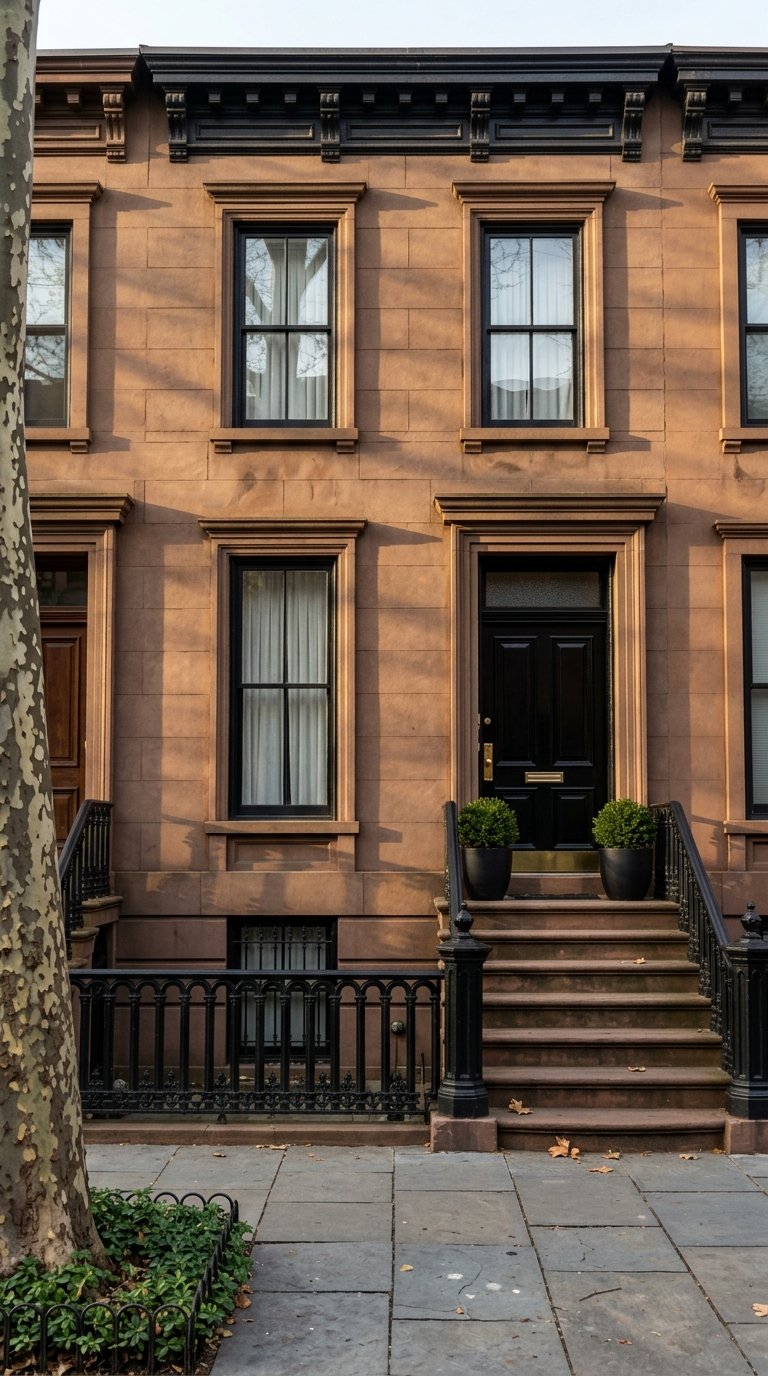
If you picture brownstone Brooklyn as one perfect row house on one perfect block, you are only seeing part of the story. In real life, brownstone living is less about a single home type and more about how your days unfold on historic, low-rise streets with parks, local retail corridors, and a rhythm that changes from one neighborhood to the next. If you are trying to decide whether Brooklyn Heights, Park Slope, or Cobble Hill fits your lifestyle, this guide will help you understand what living there actually feels like. Let’s dive in.
Brownstone Brooklyn in Real Terms
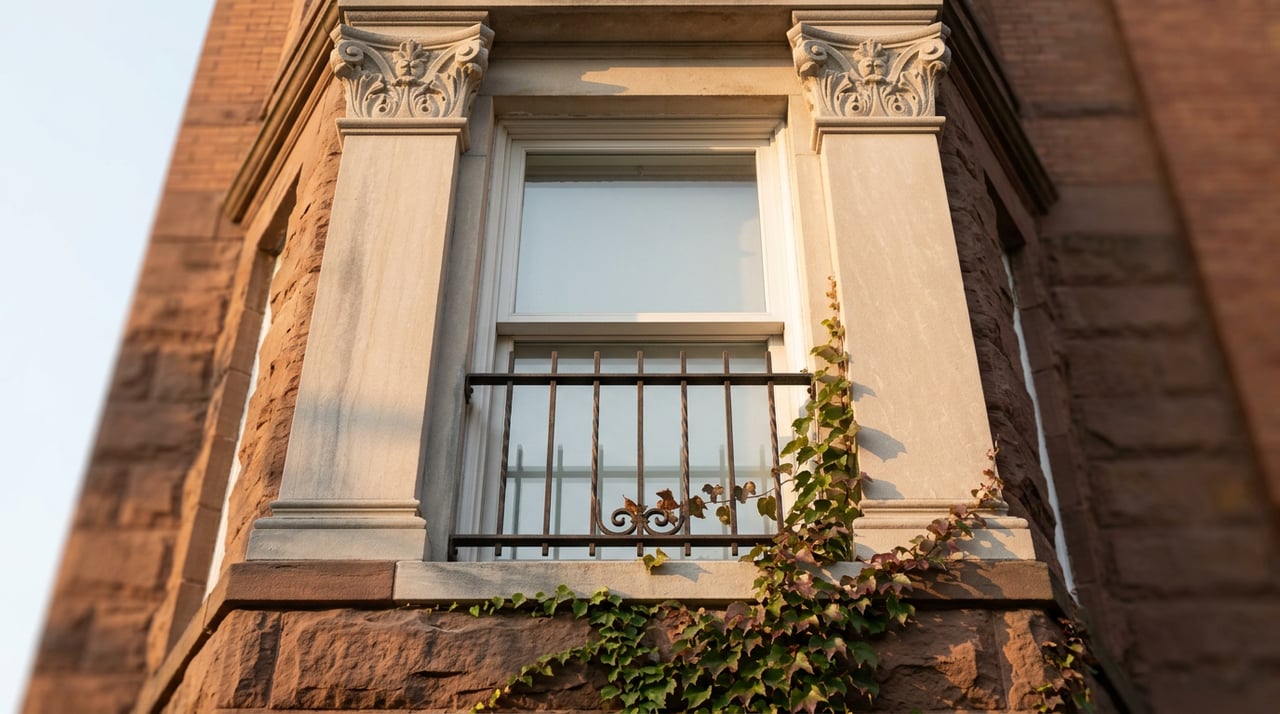
Brownstone Brooklyn is best understood as a historic streetscape, not a single housing category. Across Brooklyn Heights, Park Slope, and Cobble Hill, you will find a mix of 19th- and early-20th-century row houses, brick or brownstone-fronted homes, flats buildings, and smaller apartment houses.
That mix matters because the lifestyle is shaped by more than architecture alone. These neighborhoods are generally low-rise and residential in character, with commercial activity concentrated along a few key corridors instead of spread evenly across every block.
What the Housing Stock Looks Like
If you are expecting every home to be a classic single-family brownstone, you may be surprised. While row houses define the visual identity of these neighborhoods, the housing stock also includes flats buildings, smaller apartment houses, and homes with varying facades and layouts.
That variety gives each neighborhood a slightly different feel. Some blocks look more formal and uniform, while others blend residential buildings with modest commercial ground floors or apartment living nearby.
Brooklyn Heights Homes
Brooklyn Heights has one of the most preserved residential streetscapes in brownstone Brooklyn. It is known for brick and brownstone houses on tree-lined streets, and the neighborhood has remained a low-building district with relatively few non-conforming structures.
In practice, that creates a polished, highly consistent look. You are likely to notice the strong residential identity right away, with commercial activity largely clustered away from the quieter interior blocks.
Park Slope Homes
Park Slope includes many single-family row houses and flats buildings, especially within its historic district areas. Some buildings also include commercial ground floors, particularly along Sixth Avenue.
That mix makes Park Slope feel a bit more layered in daily use. You still get the classic brownstone look, but the neighborhood often feels more active and interconnected with everyday errands, dining, and park-oriented routines.
Cobble Hill Homes
Cobble Hill is smaller in scale and often feels the most intimate of the three. Its historic district is defined by tree-lined streets, low and fairly uniform building heights, and rows of architecturally notable houses, along with some early apartment development.
For many buyers, that creates a village-like impression. The blocks feel cohesive and residential, but not overly formal, and the neighborhood’s size can make daily routines feel especially manageable.
How Daily Life Changes by Neighborhood
The biggest difference in brownstone Brooklyn is not just what the homes look like. It is where you spend your time, how far you walk for errands, and whether your lifestyle revolves more around a waterfront, a major park, or a smaller local commercial district.
That is why Brooklyn Heights, Park Slope, and Cobble Hill can all fall under the same brownstone umbrella while offering very different everyday experiences.
Brooklyn Heights: Residential and Refined
Brooklyn Heights feels residential first and commercial second. Historically and today, business activity is concentrated around corridors like Montague Street, while the surrounding streets remain defined by low-rise homes and a quieter block-by-block rhythm.
Montague Street adds convenience without overwhelming the neighborhood. The corridor includes shops, businesses, and everyday amenities, and its compact scale helps preserve the area’s calm, polished character.
For many residents, the appeal is simple. You have beautiful residential blocks, a short retail spine for coffee or errands, and easy access to waterfront open space nearby.
Park Slope: Park-Centered and Amenity-Rich
Park Slope offers the broadest day-to-day amenity base of the three. Fifth Avenue alone stretches for about 30 blocks and includes more than 500 independently owned businesses, ranging from coffee shops and restaurants to galleries, shopping, and local services.
That long commercial corridor gives the neighborhood a more energetic feel. Street fairs and local events add to the all-day activity, so your routine can easily combine residential blocks, park time, errands, and dining in one walkable pattern.
Park Slope is also closely tied to Prospect Park. For buyers who want green space to play a major role in daily life, that connection is one of the neighborhood’s clearest advantages.
Cobble Hill: Quiet and Village-Like
Cobble Hill runs on a smaller commercial canvas. Daily life is centered around Court Street and nearby blocks, where you will find a concentrated mix of coffee, dining, fitness, home goods, apparel, and neighborhood services.
Compared with Park Slope, the activity feels more compact and quieter. Compared with Brooklyn Heights, it can feel a bit more intimate and less formal, with local errands and neighborhood life happening on just a handful of walkable streets.
If your ideal routine is residential, low-scale, and easy to navigate, Cobble Hill often stands out. It remains active enough for everyday convenience, but it does not read as a major destination district.
Parks Shape the Lifestyle
In brownstone Brooklyn, park access is not a small bonus. It often defines how the neighborhood functions and what your weekends, mornings, and after-work hours look like.
Each of these neighborhoods connects to open space differently, and that difference has a real impact on daily life.
Brooklyn Heights and the Waterfront
Brooklyn Heights benefits from close access to Brooklyn Bridge Park, an 85-acre waterfront park with promenades, gardens, rolling hills, and wide city views. Because of that proximity, the waterfront often feels like part of everyday life rather than a special trip.
If you value open views and a more polished urban-meets-waterfront routine, this is a major draw. The combination of residential blocks and expansive outdoor space is one of the neighborhood’s defining strengths.
Park Slope and Prospect Park
Prospect Park is a central part of Park Slope living. NYC Parks lists the park at 526.25 acres, making it the largest open-space anchor among the three neighborhoods discussed here.
The park also supports year-round recreation. The LeFrak Center at Lakeside offers seasonal use, with ice skating in colder months and roller skating in warmer months, adding another layer to the neighborhood’s outdoor routine.
Cobble Hill and Local Green Space
Cobble Hill’s park experience is more local in scale. Cobble Hill Park is classified by NYC Parks as a small park and playground, which matches the neighborhood’s more intimate feel.
That does not make it less useful. It simply means the area feels more residential and neighborhood-oriented, rather than built around a major destination park or waterfront edge.
Commuting and Getting Around
For many buyers, one reason brownstone Brooklyn remains so appealing is that it offers a residential feel without giving up transit access. That balance is especially important if you work in Manhattan or need regular access to multiple parts of the city.
The commuting experience, however, varies a bit by neighborhood.
Brooklyn Heights Transit Access
Brooklyn Heights has strong transit access near the waterfront and surrounding edges. Nearby options include the 2 and 3 at Clark Street, the A and C at High Street or Jay St-MetroTech, the 4 and 5 at Borough Hall, and the F at York Street, along with several bus routes.
That network supports the neighborhood’s reputation for an easy Manhattan commute, especially for riders headed downtown. For many buyers, it is one of the clearest practical advantages of the area.
Park Slope Transit Access
Park Slope also offers a dense transit mix. The neighborhood is served by the 2, 3, 4, 5, Q, and R trains to Barclays Center, the R at Union Street, Ninth Street, and 15th Street, the F and G at Fourth Avenue and Ninth Street, and the B63 bus along Fifth Avenue.
That breadth of service gives residents flexibility. You can have a primarily residential neighborhood feel while still keeping multiple subway and bus options within reach.
Cobble Hill Transit Access
Cobble Hill is best described as practical for commuting, with access shaped by where you live within the neighborhood. MTA neighborhood maps place it within the Court Street, Bergen Street, and Downtown Brooklyn transit mesh.
That means the commute can work very well, but the exact experience is more block-specific. If you are comparing addresses, that is one of the details worth evaluating carefully.
Which Brownstone Brooklyn Lifestyle Fits You?
If you are drawn to the classic brownstone image, both Brooklyn Heights and Park Slope strongly match that expectation. Each offers historic architecture, tree-lined residential streets, and a recognizable Brooklyn streetscape, but the day-to-day atmosphere is quite different.
Brooklyn Heights tends to feel more formal, waterfront-adjacent, and distinctly residential. Park Slope feels more park-centered, more commercially active, and more expansive in its daily amenity base. Cobble Hill remains very much part of the brownstone conversation, but it often feels smaller, quieter, and more village-like.
The right fit depends less on the facade and more on your routine. If you know how you want your mornings, errands, outdoor time, and commute to feel, the right neighborhood usually becomes much easier to identify.
Brownstone Brooklyn is not one lifestyle. It is a family of closely related ones, and understanding those differences is often what turns a good search into a smart one. If you want a more strategic read on how a specific neighborhood, block, or property aligns with your goals, Matthew Melinger can help you evaluate the details with clarity and confidence.
FAQs
What does brownstone Brooklyn actually mean?
- Brownstone Brooklyn usually refers to historic, low-rise neighborhoods with row houses, brownstone- or brick-fronted homes, flats buildings, and smaller apartment houses, rather than one single housing type.
What kind of homes are common in Brooklyn Heights, Park Slope, and Cobble Hill?
- You will mostly find row houses and other low-rise masonry buildings, with some meaningful variation by neighborhood, including flats buildings, smaller apartment houses, and in some areas commercial ground floors.
Which brownstone Brooklyn neighborhood feels most residential?
- Brooklyn Heights is the clearest example of a residential-first environment, with commercial activity concentrated on a compact corridor rather than spread throughout the neighborhood.
Which brownstone Brooklyn neighborhood has the most amenities?
- Park Slope has the most extensive commercial corridor in this group, with a long stretch of independently owned businesses and regular neighborhood events along Fifth Avenue.
Which brownstone Brooklyn neighborhood feels the most intimate?
- Cobble Hill is generally the most intimate in scale, with low, uniform building heights, tree-lined streets, and a smaller, village-like commercial footprint.
How important is park access in brownstone Brooklyn?
- Park access plays a major role in daily life, whether that means the waterfront at Brooklyn Bridge Park near Brooklyn Heights, Prospect Park near Park Slope, or the smaller neighborhood-scale green space in Cobble Hill Park.
Is commuting from brownstone Brooklyn to Manhattan practical?
- Yes, all three areas have practical transit access, though the station mix and block-by-block convenience vary by neighborhood and address.