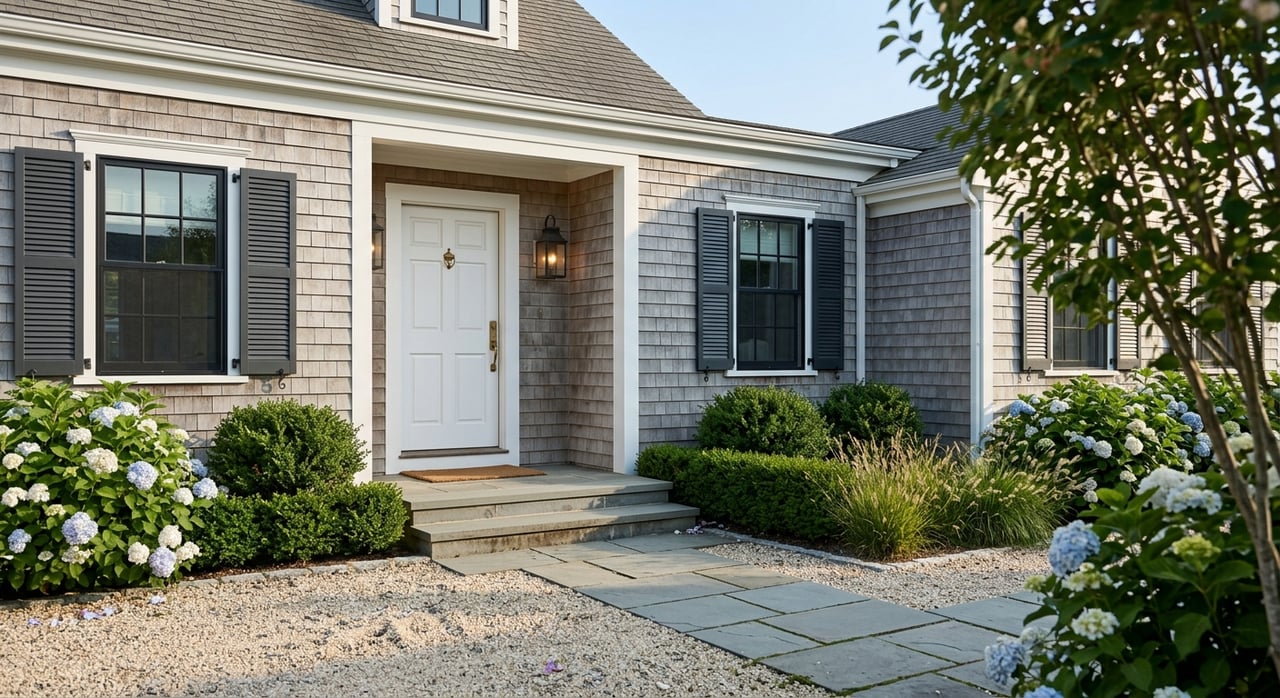
If you are searching for a Hamptons home, one question shapes almost everything that follows: do you want privacy, walkability, or direct water access? In and around Sag Harbor, those choices can lead to very different day-to-day experiences. Understanding how estate-style, village, and waterfront homes compare can help you focus your search, avoid mismatches, and buy with more confidence. Let’s dive in.
Why Sag Harbor Feels Different
Sag Harbor is a compact incorporated village on eastern Long Island that straddles Southampton and East Hampton. The village is about 2.3 square miles, is primarily residential, and centers much of its commercial activity around Main Street near the bay.
It also has about 3.3 miles of shoreline along Sag Harbor Bay and Sag Harbor Cove, plus active harbor facilities. That compact footprint matters because it makes Sag Harbor feel more connected and navigable than many buyers expect.
In practical terms, your home-style decision here is often less about labels and more about how you want to spend your time. You may want a quiet retreat with more land, a home where you can walk into town, or a property built around boating or beach routines.
Estate-Style Homes
Where estate homes are usually found
In the Sag Harbor area, true estate-scale properties are more likely to appear outside the village core in the larger residential districts of East Hampton Town and Southampton Town. Those towns include residence districts with much larger minimum lot sizes, ranging from 40,000 to 425,000 square feet in East Hampton and from 10,000 to 200,000 square feet in Southampton, with larger country-residence districts at the upper end.
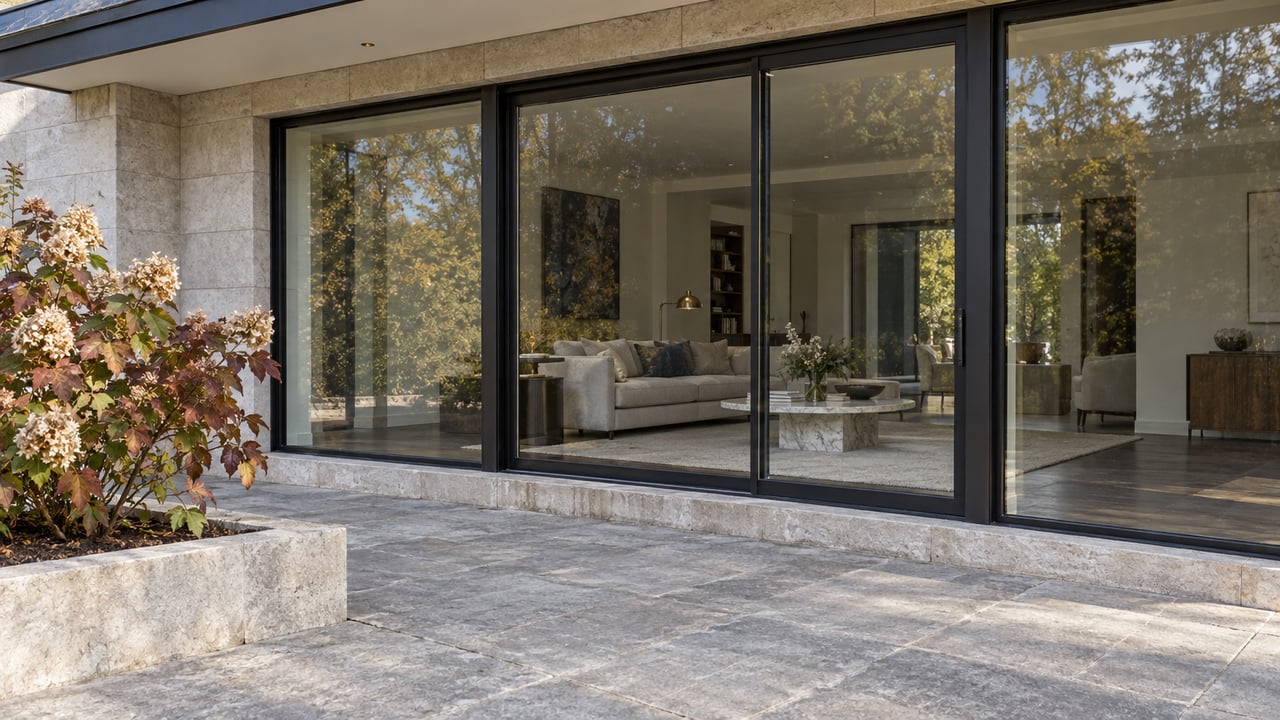
That larger-lot pattern generally supports lower-density living, deeper setbacks, and more room to shape the property around your needs. If you picture a home with a longer driveway, more separation from neighbors, and broader grounds, this is usually the category that fits.
Why buyers choose estate homes
Many second-home buyers choose estate properties because they want a more private arrival experience. The larger-lot setting can also be a better fit if you want landscaped grounds, extra parking, guest use, or a more self-contained weekend retreat.
This style often appeals to buyers who plan to host extended family or entertain at home rather than build their routine around town. If your ideal Hamptons weekend starts with pulling in, settling down, and staying put, an estate property may feel like the right match.
Estate tradeoffs to consider
More land usually means more upkeep. You may need to think more seriously about landscaping, clearing, seasonal preparation, and the logistics of getting in and out compared with a village property.
If you plan future improvements, site review can also become more important, especially where coastal or historic constraints affect the property. That does not mean an estate home is harder to own, but it does mean you should evaluate the property as both a lifestyle purchase and an ongoing management commitment.
Best fit for estate buyers
Estate-style homes often suit second-home buyers who want a quieter, retreat-oriented base. They can also work well if privacy, entertaining space, and a more self-contained property matter more to you than being able to walk to coffee or dinner.
Village Homes in Sag Harbor
What defines an in-town village home
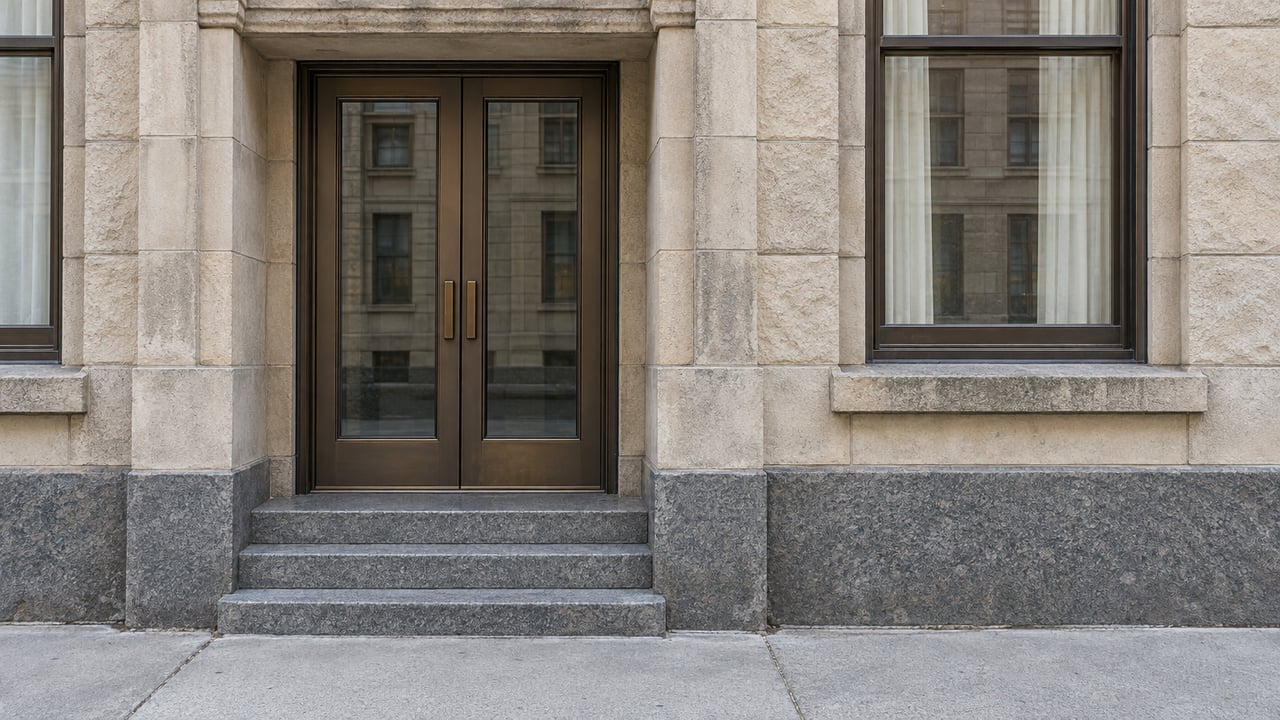
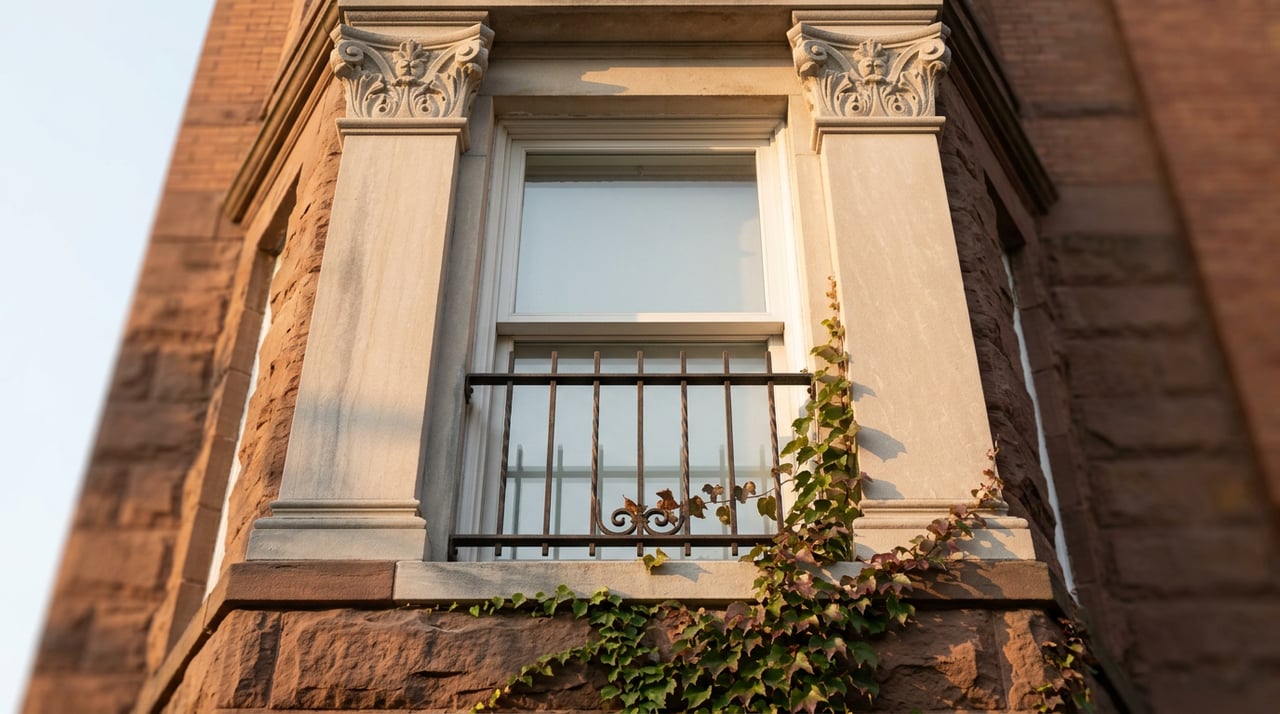
Sag Harbor village is compact, historic, and primarily residential. Homes date from the mid-1700s through the present, and parcels are usually less than a half-acre.
The village historic district covers the central business district and adjoining neighborhoods. Sag Harbor also maintains a Board of Historic Preservation and Architectural Review, which signals that exterior changes may be more controlled than in a non-historic suburban setting.
Why buyers love village living
For many buyers, the biggest draw is ease. Sag Harbor’s marina facilities are a short walk from shops, restaurants, and public bus transportation, which supports a more walkable daily routine.
This can create a true park-once weekend. You can arrive, leave the car where it is, and spend more of your time on foot enjoying the harbor, Main Street, meals out, and errands close to home.
For second-home buyers, that convenience can be a major lifestyle upgrade. Instead of planning each outing around driving, you have a more social and flexible home base.
Village tradeoffs to consider
Village homes usually offer less land and less privacy than estate properties. That is part of the tradeoff for being close to the commercial core and harbor activity.
You should also expect more structure around access and logistics. Sag Harbor uses resident parking permits, paid Long Wharf parking, and parking rules for Havens Beach, so parking and beach access are managed rather than unlimited.
If a property sits within an area subject to historic review, exterior updates may involve added review steps. That can affect timing and design choices, so it is worth understanding early if renovations are part of your plan.
Best fit for village buyers
Village homes are a strong match if you want a more connected and walkable Hamptons experience. If your ideal routine includes coffee, dinner, harbor views, and a lower-driving weekend, village living often delivers that better than a larger estate setting.
Waterfront Homes
Bay and harbor waterfront in Sag Harbor
Sag Harbor has a strong waterfront identity. The village operates seasonal and transient dockage and moorings, offers free pump-out service, and places marine facilities within a short walk of shops and restaurants.
The village also publishes water-quality beach reports and identifies Havens Beach as its only public bathing beach. Together, those features make bay and harbor living especially relevant in Sag Harbor.
If boating, moorings, or direct water use are central to your lifestyle, a bay or harbor-oriented property can align closely with how you actually plan to spend your time. For some buyers, the water is not just the view. It is the routine.
Ocean-oriented homes in the broader Hamptons
If your vision is built more around beach days than marina life, the broader Hamptons context matters. East Hampton identifies the Atlantic Ocean, bays, and harbors as prime attractions for swimming, boating, and fishing, while Southampton Town maintains multiple ocean beaches with parking, showers, restrooms, and permit systems.
That distinction is important because ocean-oriented ownership and harbor-oriented ownership can feel very different. One tends to center on beach access and surfside routines, while the other may center more on boating, dockage, and harbor activity.
Waterfront tradeoffs to consider
Waterfront ownership often comes with the greatest regulatory and environmental complexity. In New York, tidal wetlands and adjacent areas up to 300 feet inland may be regulated, coastal erosion hazard areas affect Long Island’s coastline, and certain waterfront structures on state-owned water bodies may require a license, easement, or permit.
Flood risk is also part of the picture. FEMA special flood hazard areas are the high-risk flood zones used for National Flood Insurance Program insurance and mortgage rules.
For buyers, that means the waterfront decision should go beyond views and access. You should also think about maintenance, insurance, and the timing of any future projects or improvements.
Best fit for waterfront buyers
A waterfront home is often the best match if direct water use is the priority. If you are comfortable evaluating coastal permitting, flood-zone considerations, and the long-term responsibilities that come with shoreline ownership, the lifestyle payoff can be significant.
How to Choose the Right Fit
Start with your weekend routine
One of the clearest ways to narrow your search is to think about how you want a typical stay to unfold. Do you want to arrive and disappear into your own private setting, walk to dinner from your front door, or spend the day on the water?
Your answer can quickly point you toward the right home style. In Sag Harbor, lifestyle fit is often more useful than chasing a certain label.
Use these decision filters
Here is a simple way to frame the choice:
- Choose an estate if your top priorities are privacy, larger grounds, and a retreat-like arrival experience.
- Choose a village home if your top priorities are walkability, dining, harbor life, and a lower-driving weekend.
- Choose a waterfront home if your top priorities are direct water use, boating or beach access, and you are comfortable with coastal permitting and flood considerations.
Remember the Sag Harbor overlap
In Sag Harbor specifically, village and waterfront living often overlap more than they do in other Hamptons areas. You may be able to enjoy a walkable setting and a strong harbor connection at the same time.
By contrast, true estate-scale living generally comes from the larger surrounding-town districts rather than the compact village core. That makes the local search process especially important, because the right fit may depend as much on micro-location as on home style.
Choosing between estate, village, and waterfront is really about choosing the version of the Hamptons that fits you best. When your search is aligned with how you want to live, decisions become clearer, tradeoffs feel more manageable, and the right opportunity stands out faster. If you want a strategic, high-touch perspective on where your goals fit within Sag Harbor and the broader Hamptons market, Matthew Melinger can help you evaluate the options with clarity.
FAQs
What is the difference between estate, village, and waterfront homes in Sag Harbor?
- Estate homes usually offer more land and privacy outside the village core, village homes emphasize walkability and proximity to Main Street and the harbor, and waterfront homes focus on direct access to boating, beaches, or shoreline living.
Are true estate-style homes common inside Sag Harbor Village?
- Generally, true estate-scale living is more likely to be found in the larger surrounding districts of East Hampton Town and Southampton Town than within Sag Harbor’s compact village footprint.
What should buyers know about historic review for Sag Harbor village homes?
- Some village properties may be affected by historic review, and exterior changes can require approval through the village’s Board of Historic Preservation and Architectural Review.
What makes Sag Harbor waterfront homes appealing to boaters?
- Sag Harbor has active harbor facilities, including seasonal and transient dockage, moorings, and marine services within walking distance of shops and restaurants.
What extra issues come with buying a Hamptons waterfront home?
- Waterfront buyers should consider coastal permitting, tidal wetland rules, flood-zone implications, insurance, maintenance, and the timeline for any future property improvements.
How can a second-home buyer choose the right Hamptons home style?
- A good starting point is your routine: choose estate for privacy and grounds, village for walkability and town access, or waterfront for boating, beach use, and a water-centered lifestyle.