Picture a weekday morning where you breeze through school drop-off, grab a coffee, and push a stroller into Central Park within minutes. That is daily life on the Upper East Side when you know the blocks, buildings, and routines that fit your family. In this guide, you will learn how housing, schools, parks, transit, and daily logistics come together for modern families on the UES. You will also get practical tips and checklists to make your search efficient and confident. Let’s dive in.
UES at a glance
The Upper East Side runs from roughly 59th to 96th Street, between Fifth Avenue and the East River. It sits within Manhattan Community Board 8 and is primarily served by the NYPD’s 19th Precinct. Local data sources show incomes above city averages and a median age in the low 40s, with many residents using transit for a mean commute around 30 minutes. You will feel a blend of classic residential blocks, cultural institutions, and convenient daily services.
For context on neighborhood demographics and commute patterns, view the DataUSA profile for Community District 8. It offers a helpful overview of population, age, and travel-to-work trends. See the DataUSA profile.
Housing: what to expect
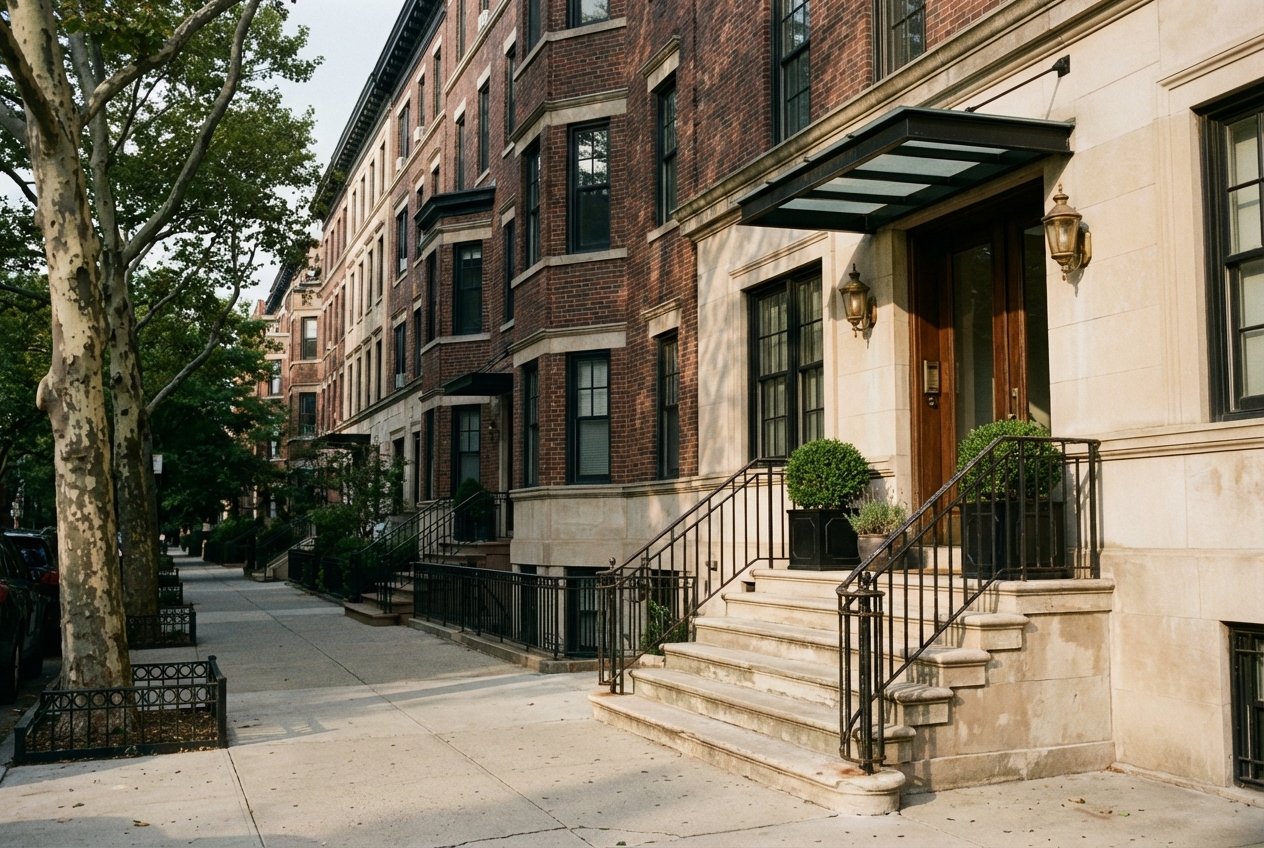
You will find a wide range of homes, from grand prewar co-ops to modern condos, plus brownstones and townhouses in pockets like Carnegie Hill. Doorman and elevator buildings are common, and many older co-ops offer generous layouts and ceiling heights. Newer condos tend to feature gyms, roof decks, and playrooms at a higher price point. Your choice often comes down to tradeoffs between space, amenities, and monthly costs.
Co-op vs condo decisions
Co-ops are a defining feature of the UES. Expect stricter financial standards, larger down payments, a detailed board application, and an interview. Many co-ops limit subletting and have rules on renovations and financing. Condos usually offer easier approvals and more flexibility, though they often sell at a premium per square foot.
Amenities families value
Family-friendly priorities often include doorman service, stroller and bike storage, laundry access, and on-site playrooms. In older prewar co-ops, you may trade some modern amenities for character and value. In newer condos, you will typically see full-service staff, fitness centers, and common outdoor spaces. Always review building-specific policies, including pets and subletting, before pursuing an offer.
Pricing and rents
Recent neighborhood trackers show entry-level studios and one-bedrooms available under roughly $1 million in some segments. Many co-ops and condos cluster in the $1 million to $2 million range. Larger three-bedroom and townhouse options vary much higher. Rentals for one-bedrooms often list in the mid-$3,000s to $5,000-plus range, with seasonality and building quality affecting price. The market is segmented, so plan for building-by-building comparisons.
Schools and childcare basics
Public school landscape
Most of the UES falls within NYC DOE District 2, which includes zoned elementary and middle schools along with citywide options. Families often look at zoned options such as PS 267 East Side Elementary and PS 290 Manhattan New School. Capacity, zones, and programming can change, so always confirm your exact address with the DOE and visit school open houses when possible. Explore school snapshots here: PS 267 East Side Elementary and PS 290 Manhattan New School.
Private and independent options
The UES hosts a number of well-known independent day schools with selective admissions and citywide draw. Application calendars, interview formats, and financial aid timelines vary by school. When comparing neighborhoods, factor in commute time, after-school care, and pickup logistics. Plan ahead and track deadlines carefully.
Early childhood and daycare
New York City operates universal 3-K and Pre-K programs with a citywide application process. Seats are offered through schools and community-based providers. For children under three or for full-day, year-round care, plan for high demand and start early. Review application windows and resources on the city’s early care and education page: NYC Early Care and Education.
Parks, culture, and weekend rhythm
Central Park at your doorstep
Central Park lines the UES on Fifth Avenue, and its eastern edge includes multiple playgrounds and lawns that families use daily. The Central Park Conservancy maintains and renovates many playspaces, such as the East 72nd Street Playground. Expect sand areas, climbing structures, water play in warmer months, and nearby restrooms. It is hard to beat the park for morning energy or after-school resets.
East River, Carl Schurz, and dog runs
Along the river, the East River Esplanade offers long, stroller-friendly walks and bike rides. Carl Schurz Park adds playgrounds, gardens, and views. If you have a dog, nearby runs make daily routines simpler. You can browse city listings of dog runs and park features here: NYC Parks dog runs directory.
Sports, swim, and classes
Asphalt Green’s Upper East Side campus is a local hub for youth sports, learn-to-swim, and summer camps. It is a go-to for weeknight lessons and seasonal programs that book up fast. Preview offerings and schedules at Asphalt Green. Community centers and cultural groups also run arts, music, and enrichment classes throughout the year.
Museum Mile
World-class institutions anchor the neighborhood’s western edge. The Metropolitan Museum of Art offers family tours, weekend programs, and special exhibits that can become part of your regular routine. The Solomon R. Guggenheim Museum is a short walk up Fifth Avenue. Together, they set an unmatched cultural backdrop for school projects and rainy-day plans.
Transit and daily logistics
Subways and buses
The Lexington Avenue line (4/5/6) and the Q line on Second Avenue provide wide coverage north and south, with Q stations at 72nd, 86th, and 96th Streets. Crosstown routes like the M86 speed trips across the park, while the M79 and M72 serve other transverse streets. The M15 Select Bus Service runs on First and Second Avenues for extra capacity. These routes keep commutes efficient to Midtown offices and to schools and programs elsewhere in Manhattan.
NYC Ferry on East 90th Street
If you live near the esplanade, NYC Ferry at East 90th Street can simplify certain commutes to parts of Queens and Lower Manhattan. It is stroller-friendly and scenic, and it can reduce reliance on transfers. See route updates and service notes in the city’s press release: NYC Ferry East 90th Street service.
Cars, parking, and storage
Many families on the UES do not own cars and rely on subways, buses, and walking. Street parking is limited, so residents who keep a vehicle often use monthly garages. In buildings, confirm stroller storage, bike rooms, service elevator access, and delivery policies. These little logistics shape daily life more than you might expect.
Healthcare access
The neighborhood benefits from major medical centers nearby, including NewYork-Presbyterian/Weill Cornell and Lenox Hill Hospital. This level of access supports pediatrics, maternity care, and urgent needs. For maps and directions to Weill Cornell facilities, visit Weill Cornell Medicine.
Safety and community
You can review local policing and community contact information for the NYPD’s 19th Precinct to understand current programs and resources. Year-to-year crime data appears on official precinct pages. For questions about land use, local meetings, and block-level concerns, Manhattan Community Board 8 is the relevant community board. See the precinct overview here: NYPD 19th Precinct.
Micro-neighborhoods to explore
Carnegie Hill
Above East 86th Street and near Museum Mile, Carnegie Hill features many brownstones, townhouses, and elegant prewar co-ops. It offers quick access to Central Park and cultural institutions. Streets feel residential, and you will find small shops and markets tucked along Madison and Lexington. Buyers often weigh quieter blocks against a slightly longer walk to the Q line.
Lenox Hill
South of East 77th Street, Lenox Hill blends classic avenues with high-rise living near major hospitals. You are close to Midtown, shopping on Madison, and access points to the park. Inventory includes prewar co-ops and mid-century to newer condos. Transit options are strong, and crosstown buses are handy for west-side activities.
Yorkville
East of Third Avenue and up to East 96th Street, Yorkville saw a meaningful boost from the Q line. You will find a mix of walk-ups, postwar buildings, and new development. Proximity to the East River Esplanade and Carl Schurz Park is a draw for morning runs and dog walks. Many residents balance a slightly longer walk to Central Park with quieter streets and varied pricing.
A simple weekend walking loop
- Start at the East 72nd Street Playground inside Central Park for morning play.
- Walk south along the park’s edge, then cut east for coffee on Madison or Lexington.
- Head to a family program at a Museum Mile institution.
- Take the M86 SBS east to the esplanade for a scooter ride along the river.
- Wrap with a swim lesson or youth program at Asphalt Green.
Buyer prep checklist for the UES
- Clarify must-haves: bedrooms, layout, elevator or townhouse, playroom, outdoor space.
- Decide co-op vs condo based on timeline, sublet needs, and financing plans.
- Underwrite monthly costs: mortgage, taxes or co-op maintenance, common charges.
- Gather financials early for co-op boards and pre-approval.
- Map your school plan: confirm zoning, attend open houses, and note private timelines.
- Stress-test logistics: stroller storage, bike room, laundry, and elevator access.
- Test commutes at rush hour on both the Lexington and Q lines.
- Walk to parks, playgrounds, and after-school activities you will use most.
When you are ready to compare buildings or model monthly costs across several options, a clear, data-driven plan makes decisions faster and less stressful. For tailored guidance and private showings, connect with Matthew Melinger. Schedule a private consultation.
FAQs
What should I know about UES co-op boards?
- Co-op boards often require larger down payments, detailed financials, and an interview. Many limit subletting and have renovation rules, so align your timeline and financing before applying.
How much do family-sized apartments cost on the UES?
- Two and three bedrooms vary widely by building, location, and condition. Many homes trade above $2 million, while townhouses and larger condos can be significantly higher. Compare by block and building.
How is the UES for daily commutes with kids?
- The 4/5/6 and Q lines plus crosstown buses make school and work commutes efficient. Test your route at peak times and consider the M86 if you have regular West Side activities.
What public schools serve the UES, and how do I verify zoning?
- Most addresses fall in District 2 with zoned elementary and middle schools. Check a specific school’s profile and confirm your exact address with the DOE. See PS 267 and PS 290 for examples.
Are there stroller-friendly outdoor spaces near the East River?
- Yes. The East River Esplanade and Carl Schurz Park offer smooth paths, playgrounds, and dog runs. They are ideal for scooters, jogging strollers, and quick evening walks.