Wondering what life on the Upper East Side actually feels like today? The neighborhood still carries its classic Manhattan reputation, but daily life here is more active, practical, and layered than many people expect. If you are thinking about buying, selling, or simply getting to know the area better, this guide will walk you through the routines, housing realities, and lifestyle details that shape the Upper East Side right now. Let’s dive in.
Upper East Side at a Glance
The Upper East Side remains one of New York City’s most established residential neighborhoods, but it is far from static. According to the NYU Furman Center, it ranked as the city’s fourth largest neighborhood by population in 2024, with the fourth highest median income and the sixth most expensive rents.
That scale matters because it helps explain why the area feels like a real, functioning neighborhood, not just a postcard version of Manhattan. From 2010 to 2025, the neighborhood added 4,025 housing units, including 3,405 market-rate units and 620 income-restricted units. In 2025 alone, the Department of Buildings issued permits for 338 new residential units and certificates of occupancy for 550 units.
The market remains premium, but it is also active. As of April 2026, Realtor.com reported a median listing price of $1,695,000, median rent of $4,940 per month, 1,799 active listings, and a median 63 days on market. That kind of turnover signals a neighborhood where people continue to move, invest, and make long-term housing decisions.
What Daily Life Feels Like
Daily life on the Upper East Side tends to feel structured, residential, and efficient. Instead of revolving around late-night energy, the neighborhood often centers on morning workouts, park routines, museum access, and practical transit options.
That rhythm is one reason the area appeals to buyers who want a strong sense of routine without giving up Manhattan convenience. You get cultural depth and architectural character, but also a neighborhood that works well on an ordinary Tuesday.
Parks Support Everyday Routines
The Upper East Side’s outdoor spaces do more than add visual appeal. They support the kind of routines that shape how you actually live, whether that means a morning run, time at the playground, or a quick reset outdoors between meetings.
St. Catherine’s Park includes a running track, tennis wall, handball courts, a basketball court, a playground, and spray showers. Carl Schurz Park adds another layer, with a 350-yard fitness path that NYC Parks says works out to about five laps per mile. These are not just scenic spaces. They are built for regular use.
Central Park remains the major green-space anchor nearby. The National Park Service identifies it as the first landscaped park in the United States, and for Upper East Side residents, it continues to serve as both a destination and an everyday backdrop.
Fitness Is Built Into the Neighborhood
The neighborhood also supports a strong fitness culture beyond the parks. Asphalt Green at 555 East 90th Street has been part of the area for more than 50 years and includes an Olympic-sized pool, a teaching and exercise pool, a duplex fitness center, a steam room and sauna, and outdoor sports space.
Its weekday opening time of 5:30 a.m. says a lot about the area’s pace. For many residents, the Upper East Side fits a schedule-driven lifestyle where convenience and consistency matter.
Culture Feels Close at Hand
One of the biggest lifestyle advantages on the Upper East Side is how naturally culture fits into daily life. Museum Mile is not just a tourist draw. For residents, it becomes part of the neighborhood atmosphere.
The Met Fifth Avenue sits at 1000 Fifth Avenue at 82nd Street and houses more than 5,000 years of art. The Guggenheim stands at 1071 Fifth Avenue at 88th Street, Cooper Hewitt is located in the Carnegie Mansion and holds more than 215,000 design objects, and the Frick reopened in spring 2025 after a major renovation at 1 East 70th Street.
That kind of concentration changes the feel of the neighborhood. You are living near institutions that many people plan trips around, yet for locals they can become part of a normal week.
Dining Has More Range Now
The old idea that the Upper East Side is only about formal dining no longer fits the full picture. The neighborhood still has long-established restaurants, but it also continues to evolve with newer concepts and broader cuisine options.
Eater’s March 2025 guide highlighted strong post-pandemic openings across Thai, French bistro, regional Chinese, and other categories. Its June 2026 Manhattan heat map also pointed to Marcel, a new French restaurant at 945 Madison Avenue, along with a new French bakery from the same project.
For day-to-day living, that matters. It means your dining options can range from dependable neighborhood staples to newer, design-forward openings without leaving the area.
Transit Makes the Neighborhood Work
A neighborhood can look great on paper and still feel inconvenient in practice. The Upper East Side benefits from transit that supports daily movement across Manhattan rather than forcing you to rely on a single line.
The MTA notes that Phase 1 of the Second Avenue Subway extended Q service to 96th Street and added stations at 72nd, 86th, and 96th Streets. The Lexington Avenue Express schedule also continues to list 86th Street service on the 4 train.
For residents, that means more than one viable north-south option. In a city where commute friction can shape your entire week, that flexibility is a meaningful lifestyle advantage.
Architecture Still Defines the Experience
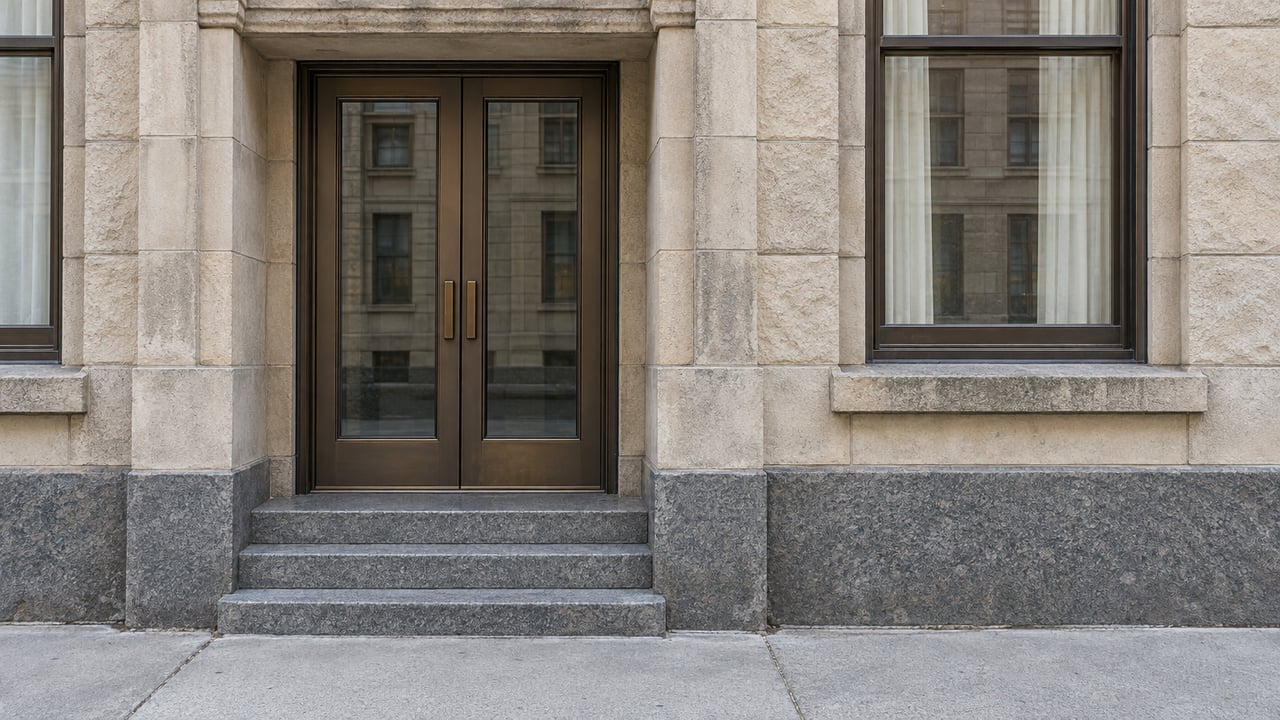
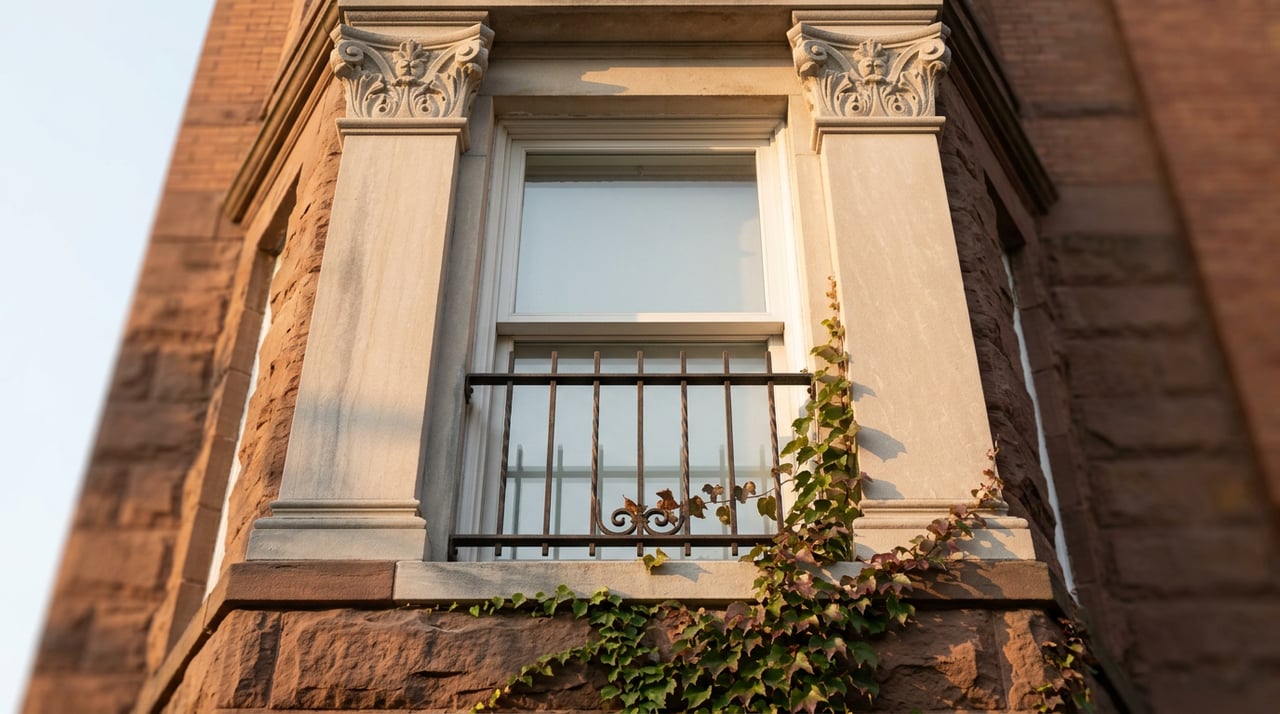
One reason the Upper East Side feels distinct is its preservation-heavy streetscape. FRIENDS of the Upper East Side reports that the neighborhood includes 131 individually designated landmarks, 7 historic districts, and 1,907 protected buildings.
The New York City Landmarks Preservation Commission map shows that the core Upper East Side Historic District was designated in 1981. That preservation framework helps explain why so much of the neighborhood still feels architecturally layered and deeply tied to its prewar character, even as new development continues to enter the market.
For buyers and sellers, this creates a very specific housing environment. The building itself often carries just as much weight as the address.
Co-ops Shape Upper East Side Living
If you are considering a purchase here, understanding co-op culture is essential. On the Upper East Side, daily life is often shaped as much by the building’s ownership structure as by the block outside.
The New York State Attorney General explains that co-op buyers purchase shares in a corporation, with those shares allocated to a specific apartment. Ownership of those shares gives the purchaser a long-term proprietary lease, and each owner pays maintenance charges based on the number of shares allocated.
That structure has practical consequences. The Attorney General advises buyers to read the full offering plan and review building condition carefully before signing.
Why Building Details Matter
On the Upper East Side, many buildings are older, and many sit within landmarked areas. Because of that, building documents and physical condition can have a real effect on both costs and day-to-day experience.
The Attorney General’s guidance recommends reviewing board minutes, financial reports, and the condition of major systems such as the facade, roof, elevators, plumbing, and electrical infrastructure. These factors can influence monthly carrying costs, future assessments, and the overall feel of ownership.
This is where a neighborhood guide becomes more than a lifestyle article. If you are buying on the Upper East Side, it is not enough to love the block. You also need to understand the building’s financial and physical story.
Condos Offer Different Flexibility
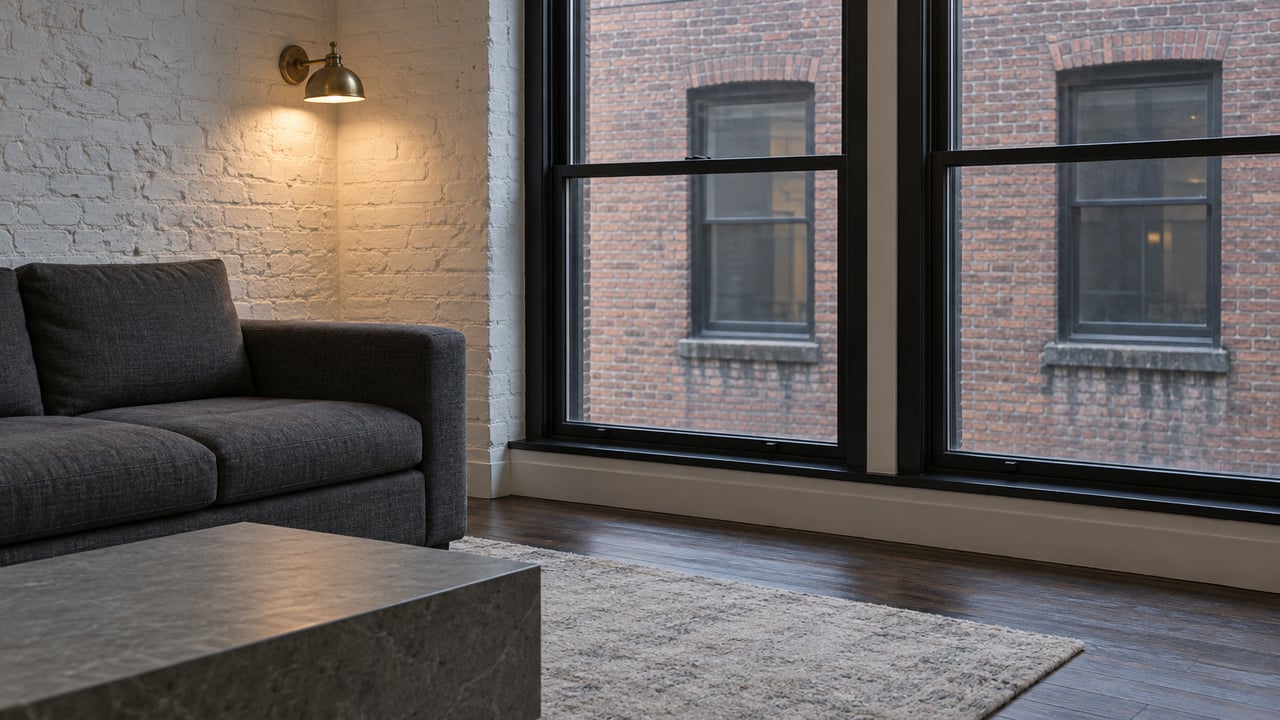
Condos play an important role in the neighborhood as well, especially as newer inventory has entered the market. While co-ops remain central to Manhattan ownership, condos often appeal to buyers who want more flexibility around leasing and resale.
The New York City Comptroller reported that in 2023, New York City had about 450,000 occupied apartments in cooperative buildings and 318,000 in condominiums. The report notes that co-op rentals are generally not permitted, while many condo units are rented or held as investments.
In practical terms, that means the right fit depends on your priorities. Some buyers want the structure and stability of a board-governed co-op environment, while others value the added flexibility that condos often provide.
The Upper East Side Is Still Evolving
It is easy to think of the Upper East Side as fully formed, but the data tells a more dynamic story. New housing units continue to come online, cultural institutions are reopening and refreshing, and the restaurant scene keeps adding new options.
That mix of continuity and change is a major part of the neighborhood’s appeal. You get the visual identity and residential rhythm people associate with the Upper East Side, but you also get a market and lifestyle environment that continues to move forward.
If you are evaluating the neighborhood as a buyer or seller, that balance matters. It supports long-term desirability while still leaving room for fresh inventory, updated amenities, and changing demand patterns.
Whether you are weighing a co-op against a condo, preparing to sell a long-held apartment, or trying to understand how one building differs from the next, local building knowledge matters on the Upper East Side. For strategic, high-touch guidance grounded in Manhattan market realities, schedule a private consultation with Matthew Melinger.
FAQs
What is daily life like on Manhattan’s Upper East Side today?
- Daily life on the Upper East Side tends to feel residential, routine-driven, and convenient, with regular access to parks, fitness facilities, museums, dining, and multiple transit options.
Is the Upper East Side still mostly a co-op neighborhood?
- In practical terms, yes. Co-ops remain a major part of Manhattan ownership, and the Upper East Side’s large stock of prewar and landmarked buildings continues to support that pattern.
Why do building details matter so much on the Upper East Side?
- Building details matter because many properties are older, and buyers should review board minutes, financial reports, and major systems like facades, roofs, elevators, plumbing, and electrical infrastructure.
Are condos common on the Upper East Side too?
- Yes. Condos remain an important part of the neighborhood, especially as newer development has added inventory over time.
Is the Upper East Side still changing today?
- Yes. The neighborhood has added housing units, maintained active development activity, seen the Frick reopen after renovation, and continued to welcome new dining openings.